


Microblading Removal: Important Questions Answered
Microblading is a cosmetic tattoo technique that uses a handheld tool with tiny micro-needles to create fine, hair-like strokes on the eyebrows. The goal is to mimic natural brow hairs for a fuller, defined look that can last anywhere from one to three years — and for some clients, even longer.
While microblading can beautifully enhance your features, not every result ages perfectly. Pigment can shift, fade unevenly, or no longer fit your desired brow style over time. When that happens, microblading removal is the next step toward restoring fresh, natural-looking brows.
Why Consider Microblading Removal?
There are several reasons why someone might choose to remove or lighten their microbladed brows:
- Dissatisfaction with Results: Sometimes the outcome doesn’t match your expectations — whether it’s the shape, color, or technique. Removal or lightening allows you to correct and start fresh.
- Fading and Discoloration: As pigments break down, brows can take on unwanted tones such as gray, red, or bluish hues. Removing old pigment creates a clean canvas for future correction or re-design.
- Change in Style or Preference: Brow trends evolve, and so do personal preferences. What felt flattering years ago might not align with your current aesthetic. Removal allows you to start fresh.
- Allergic Reactions or Skin Sensitivity: Though rare, allergic reactions to pigment ingredients can happen. Removing the pigment can help relieve irritation and prevent future complications.
Microblading Removal Options
There are two primary types of professional removal methods: laser removal and non-laser removal (such as saline or chemical techniques). Each has its own advantages depending on the pigment type, depth, and your skin condition.dition, and desired results.
Laser Microblading Removal
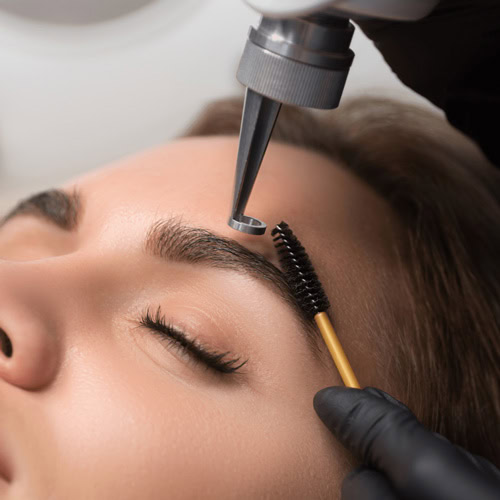
Laser removal is one of the most common and effective ways to fade or fully remove unwanted eyebrow pigment. The laser emits precise bursts of light that target and break down pigment particles beneath the skin. Once shattered, those particles are gradually flushed out by the body’s natural processes.
Most clients require 2–6 sessions for ideal results, depending on pigment density, color, and skin type. Each visit progressively lightens the pigment. The sensation is often compared to a light rubber-band snap, and a topical numbing cream keeps the treatment comfortable.
Laser removal is especially effective for dark or cool-toned pigments and provides consistent fading with minimal downtime.
Non-Laser Microblading Removal
When laser isn’t suitable — for example, with red, white, or titanium-based pigments — non-laser methods like saline removal or PhiRemoval® can be excellent alternatives.
Saline Removal
A gentle saline solution is tattooed into the treated area, drawing pigment up toward the surface where it naturally exfoliates during healing.
PhiRemoval®
This technique uses a proprietary formula and precise needling to lift and neutralize pigment from the skin. It’s great for small corrections, color fixes, or for areas where laser is not ideal.
While these approaches can require more sessions to achieve complete lightening, they are safe, effective, and versatile, suitable for brows, eyeliner, or even lip pigment removal.
Which Method Is Right for You?
The best removal option depends on several factors — pigment color, placement depth, skin type, and your overall goals.
For example:
- Laser removal tends to work best for dark or cool-toned pigments.
- Saline or PhiRemoval is often preferred for red, white, or titanium-based pigments (which don’t respond well to lasers).
Your first step should always be a professional consultation. A trained technician will assess your skin, evaluate the pigment, and recommend the safest and most effective approach for your specific situation.
The Process and What to Expect
- Consultation: Your technician evaluates your brows and discusses your goals.
- Treatment: A customized removal plan is performed using laser, saline, or both.
- Healing: Mild redness or scabbing may occur, depending on the method. Proper aftercare is essential for safe, even healing.
- Results: Each session gradually lightens the pigment. Patience is key — safe removal takes time, but results are worth it.
Aftercare Tips for Safe Healing
Aftercare can vary depending on whether laser or saline removal is performed, but some general tips apply to both:
- Keep the treated area clean and dry for the first few days.
- Don’t pick or scratch any scabs that form.
- Avoid direct sun exposure; apply SPF once the skin heals.
- Skip saunas, swimming, and intense workouts until fully healed.
- Follow all instructions from your technician — proper care equals better, faster fading.
Final Thoughts
Microblading removal gives you the freedom to refresh or completely reset your brows. Whether you want to erase old pigment or prepare for a new brow style, professional removal can safely lift unwanted color and restore smooth, natural-looking skin.
The process takes time and multiple sessions, but with the guidance of a trained, experienced specialist, you’ll achieve clear, even results you can feel confident about.
If you’re ready to explore your options, schedule a consultation today by calling 832-377-0030 or booking online. Our experts will help you find the safest, most effective way to achieve the fresh, natural results you’re looking for.